

“Am I Getting Enough Protein?”
Walk through almost any grocery store right now and you’ll see protein advertised everywhere. There are high-protein cereals, protein chips, protein pastas, protein bars, protein cookies, protein sodas, and even foods that never used to mention protein prominently on the package.
With so much attention on protein, it’s understandable to wonder whether you’re getting enough. You may even feel like every meal needs to contain 30 or 40 grams or that you should be adding protein powder to everything you eat.
Protein is important, but more isn’t automatically better. How much you need depends on your body, lifestyle, health goals and several other factors, which is why a number that works well for someone on social media may not make sense for you.
Why Does Your Body Need Protein in the First Place?
Protein often gets discussed in the context of building muscle, but that’s only one of its jobs. Your body uses protein to build and repair tissues and to make enzymes, hormones and other compounds involved in everyday functions.
Protein can also help meals feel more satisfying. Out of all of the macronutrients, protein takes the longest to digest, which leads to longer-lasting satiety. When it’s included alongside carbohydrates, fats and fiber, it can help you stay full longer and may make it easier to maintain consistent energy between meals.
That doesn’t mean protein needs to dominate your plate. It’s one part of a balanced diet, not a replacement for carbohydrates, fats, fruits, vegetables or the other foods your body needs.
So, How Much Protein Do You Actually Need?
There isn’t one protein target that’s right for everyone. Your needs can vary based on your age, body size, activity level, overall health and whether you’re trying to build or preserve muscle.
The general Recommended Dietary Allowance for healthy adults is 0.8 – 1 gram of protein per kilogram of body weight per day. However, that’s designed to meet the basic needs of most healthy adults and isn’t necessarily an ideal target for every person or every health goal.
Someone who strength trains regularly may benefit from more protein than someone who is relatively sedentary. Older adults, people recovering from an illness or injury and individuals losing weight may also have different needs, which is where personalized nutrition guidance becomes especially useful.
Do You Need 100 Grams of Protein a Day?
Maybe, but not necessarily.
Numbers like 100, 120 or even 150 grams of protein per day are frequently shared online as though they’re universal recommendations. For some people, those amounts may be completely appropriate. For others, they may be far more than necessary.
Rather than chasing a round number because you heard it on a podcast or saw it in a video, it makes more sense to determine your needs based on your individual situation. Nutrition recommendations should fit the person, not the trend.
You Probably Don’t Need to Eat a Chicken Breast at Every Meal
One reason high-protein diets can start feeling overwhelming is that people assume getting enough protein requires eating large portions of meat throughout the day. In reality, protein comes from a much wider variety of foods.
Eggs, Greek yogurt, cottage cheese, fish, poultry, tofu, beans, lentils, nuts and seeds can all contribute to your daily intake. Even foods that aren’t considered major protein sources can add smaller amounts throughout the day.
For many people, the easier approach is to distribute protein across meals rather than trying to make up for most of it at dinner. A little attention at breakfast and lunch can make reaching an appropriate daily amount feel much more manageable.
What Does a Protein-Friendly Day Actually Look Like?
You don’t need to weigh every piece of chicken or calculate the exact protein content of every meal to start paying more attention to protein. One practical place to begin is simply asking whether your meals contain a meaningful protein source.
For example, that might look like:
- Greek yogurt with fruit, nuts and granola at breakfast
- A turkey sandwich with vegetables and fruit at lunch
- An afternoon snack of cottage cheese and berries
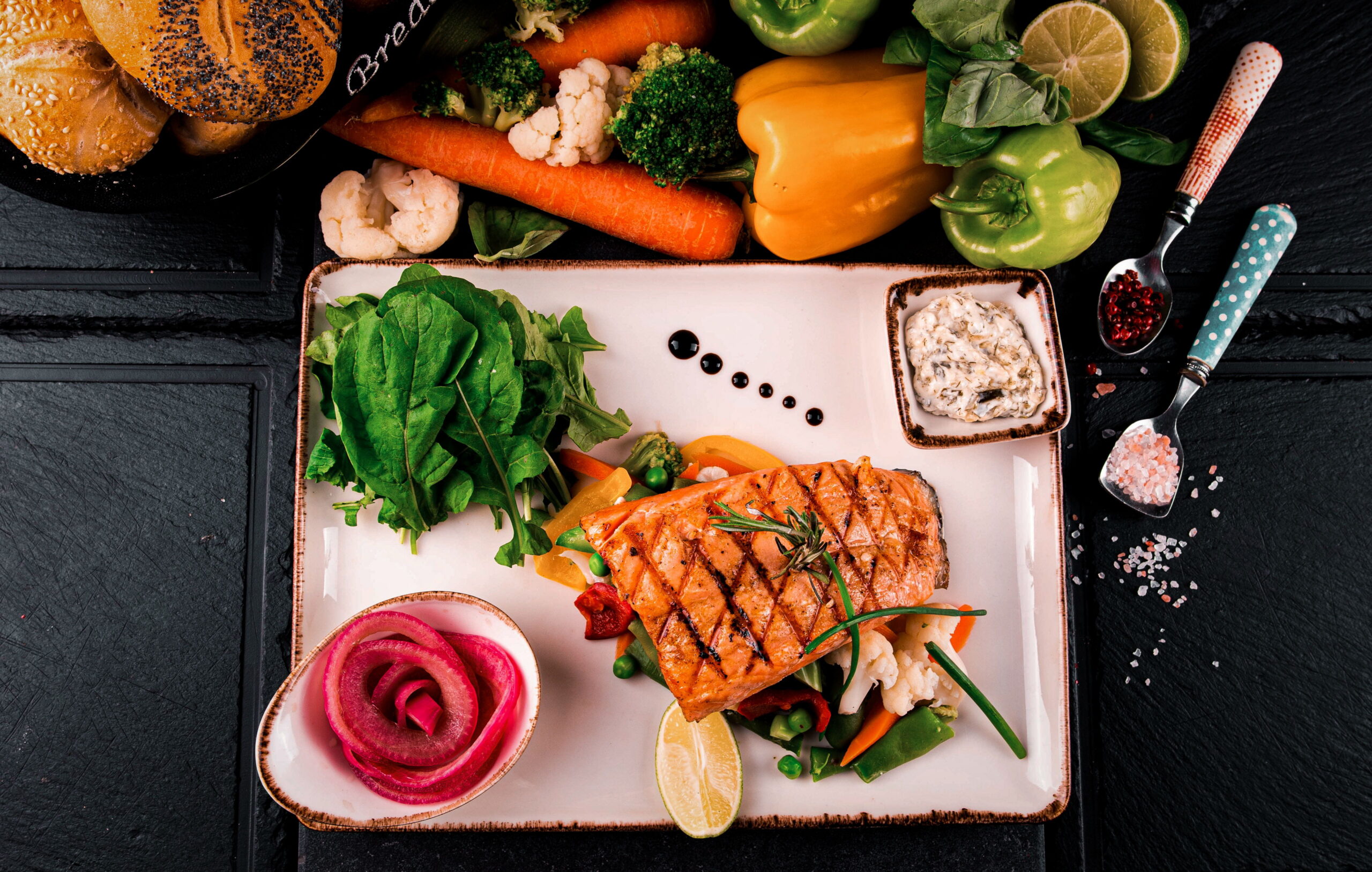
- Salmon with potatoes and roasted vegetables at dinner
The specific foods can change completely based on your preferences. The point is that protein is spread naturally throughout the day instead of becoming something you suddenly realize you’re missing at 7:00 p.m.
What About Protein Powder?
Protein powder can be convenient, especially for people who have difficulty meeting their needs through food or need something quick after a workout. But you don’t automatically need a protein shake simply because you’re exercising or trying to eat healthier.
Whole foods provide protein along with other nutrients and can absolutely meet the needs of many people. Protein powder is best viewed as another option rather than something everyone needs to include.
If a smoothie with protein powder makes breakfast easier on a busy morning, great. If you’d rather eat eggs and toast, there’s no nutritional prize for choosing the shake instead.
Can You Eat Too Much Protein?
For most healthy people, eating somewhat more protein than the minimum recommendation isn’t automatically a problem. But pushing protein higher and higher doesn’t mean you’ll continue getting additional benefits.
An extreme focus on protein can also crowd other important foods off your plate. If you’re eating so much protein that there’s little room for fiber-rich carbohydrates, vegetables and healthy fats, your diet may become less balanced even though you’re technically hitting an impressive protein target.
Certain medical conditions can also change what’s appropriate, particularly when kidney function is involved. That’s another reason individualized recommendations matter more than following a number you found online.
Protein Matters, But You Don’t Have to Obsess Over It
The current focus on protein isn’t entirely misplaced. Getting enough can support muscle protein synthesis, satisfaction and overall health, and some people genuinely do benefit from becoming more intentional about including it in their meals.
But nutrition doesn’t improve simply because you maximize one nutrient. Your body needs a variety of foods and nutrients working together, which means protein should be part of the conversation rather than the entire conversation.
If you’re wondering whether you’re getting enough, start by looking at your meals rather than immediately buying more protein products. You may find that a few simple adjustments are all you need.
How One Nutrition Group Can Help
If you’re unsure how much protein you need or you’re trying to balance protein with goals like weight loss, blood sugar management or building muscle, generic recommendations can only take you so far. At One Nutrition Group, we help clients determine what makes sense for their individual bodies, lifestyles and health goals. Together, we can build meals that provide enough protein without making nutrition feel like another numbers game. The goal is to help you feel confident that you’re meeting your needs while still enjoying a varied, balanced way of eating.