

Understanding Your Cholesterol Panel
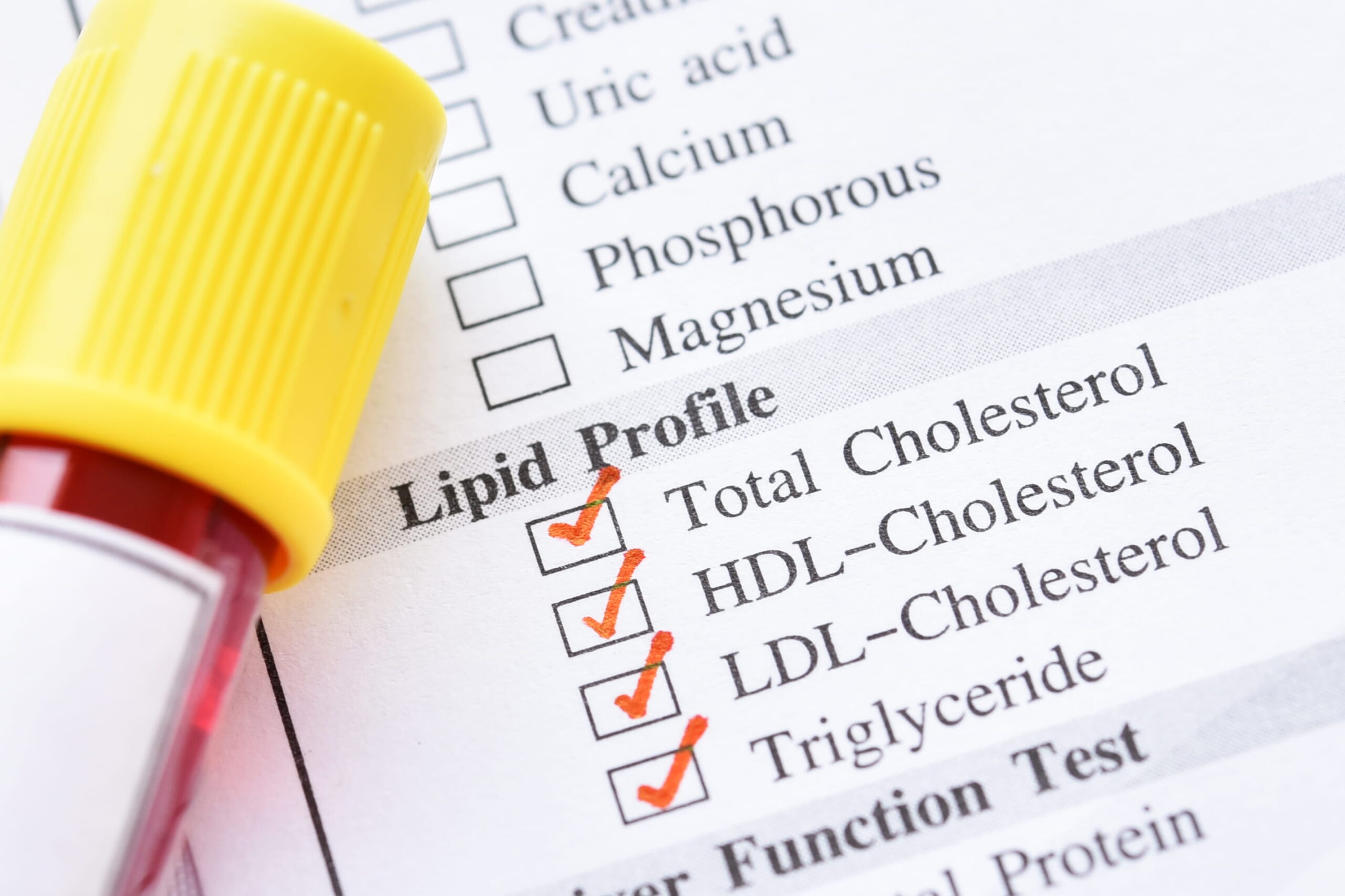
A standard cholesterol panel usually includes:
- Total cholesterol
- LDL cholesterol
- HDL cholesterol
- Triglycerides
While people often focus on the total number, it is the pattern that matters most. LDL is often called the “liver delivery” cholesterol that can contribute to increasing plaque when elevated. HDL, the cholesterol that our body produces naturally, helps carry cholesterol away for processing. Triglycerides reflect the amount of fat stored in the blood, often influenced by diet, alcohol, blood sugar, exercise, inflammation, and genetics.
Your risk is shaped by these values together, plus:
- Family history
- Blood pressure
- Blood sugar trends
- Smoking status
- Other lifestyle factors
Myths & Facts About Cholesterol
Many people still hear outdated or oversimplified advice.
To name a few common myths:
Myth: All cholesterol is bad.
Fact: Your body needs cholesterol for hormone regulation, vitamin D synthesis, and cell structure. The goal is not zero cholesterol, but healthier lifestyle choices.
Myth: If I avoid eggs and shrimp, my cholesterol will be fine.
Fact: For many people, overall dietary patterns, genetics, and lifestyle have more impact than individual foods.
Myth: Medication is the only way to lower cholesterol.
Fact: Medication can be lifesaving and necessary for some with extremely elevated levels, but nutrition and lifestyle changes can significantly support heart health, sometimes allowing for lower doses or preventing progression.
How Nutrition Affects Cholesterol
Certain patterns tend to raise LDL and triglycerides:
- Diets high in ultra-processed, high-sodium foods
- Frequent intake of fried foods and fast foods
- High consumption of sugar-sweetened beverages, alcoholic beverages
- Large portions of refined carbohydrates, like white bread and pastries
Patterns that support healthier cholesterol include:
- Regular intake of soluble fiber from oats, beans, lentils, fruits, and vegetables
- Healthy fats from olive oil, nuts, avocado, seeds, and fatty fish
- Limiting trans fats, saturated fats, and minimizing deep-fried items
- Moderation with alcohol and added sugars
It is the overall pattern over time, not a single food, that makes the biggest difference.
The Role of Fiber in Cholesterol Management
Soluble fiber is especially helpful because it binds cholesterol and bile acids in the digestive tract and expels them out of the body. Good sources include:
- Oats and oat bran
- Beans and lentils
- Apples, pears, and citrus fruits
- Ground flax, chia, and basil seeds
Increasing fiber gradually and drinking enough water can help reduce digestive discomfort as you adjust.
What to Eat More of for Heart Health
Instead of focusing only on what to remove, it is helpful to always ask what you can add to your diet.
Supportive choices include:
- A daily serving of whole grains, such as oats, barley, farro, whole grain bread, quinoa, etc.
- Non-starchy vegetables at most meals, such as broccoli, brussels sprouts, asparagus, kale, spinach, carrots, etc.
- Fish rich in omega-3’s, such as salmon or sardines, a couple of times per week
- A small handful of nuts most days
- Olive oil as a main added fat when needed
These foods not only support cholesterol, but often help with lowering blood pressure, blood sugar, and inflammation as well.
How Blood Sugar & Weight Tie In
High triglycerides, elevated LDL cholesterol, and low HDL cholesterol often overlap with insulin resistance and prediabetes. If your labs show changes in both areas, addressing blood sugar through balanced meals and meal timing can improve both.
Weight can play a role, but it is not the only factor. Many people see better lab values through consistent nutrition shifts, movement, and supportive stress management practices, even before the scale changes much.
How One Nutrition Group Helps
At One Nutrition Group, we look at your full lab picture and lifestyle. We help you make targeted, realistic changes that you can actually stick to, and we consider how cholesterol overlaps with blood sugar, stress, digestion, and long-term habits.