

What LDL & Triglycerides Really Mean
A typical lipid panel includes LDL cholesterol, HDL cholesterol, and triglycerides. LDL is often flagged because higher levels can increase cardiovascular risk over time, especially when other risk factors are present. Triglycerides are a type of fat that is stored in the blood and are strongly influenced by food patterns, alcohol intake, blood sugar stability, and overall metabolic health.
These numbers are not a moral grade. They are helpful data points to know about our health, to help us guide healthier choices. With the right strategy, many people can improve these values significantly.
The Big Food Patterns That Raise LDL & Triglycerides
No single food creates high cholesterol on its own, but certain patterns tend to push labs in the wrong direction when they happen on a regular basis. Many people notice changes after long stretches of convenience meals, frequent takeout, or high intake of refined carbohydrates and added sugars.
Common patterns that can raise LDL or triglycerides include:
- Frequent ultra-processed snacks and packaged sweets
- Regular fried foods and fast-food meals
- Large portions of refined carbohydrates lack enough protein or fiber
- High, frequent intake of sugar-sweetened beverages
- Regular alcohol intake, especially when paired with low-fiber meals
What to Eat More Often for Better Labs
The most helpful approach for many people is to focus on additions first. When you add the right foods, you naturally crowd out some of the less supportive choices without feeling deprived.
A few of the most impactful categories are fiber, healthy fats, and lean protein.
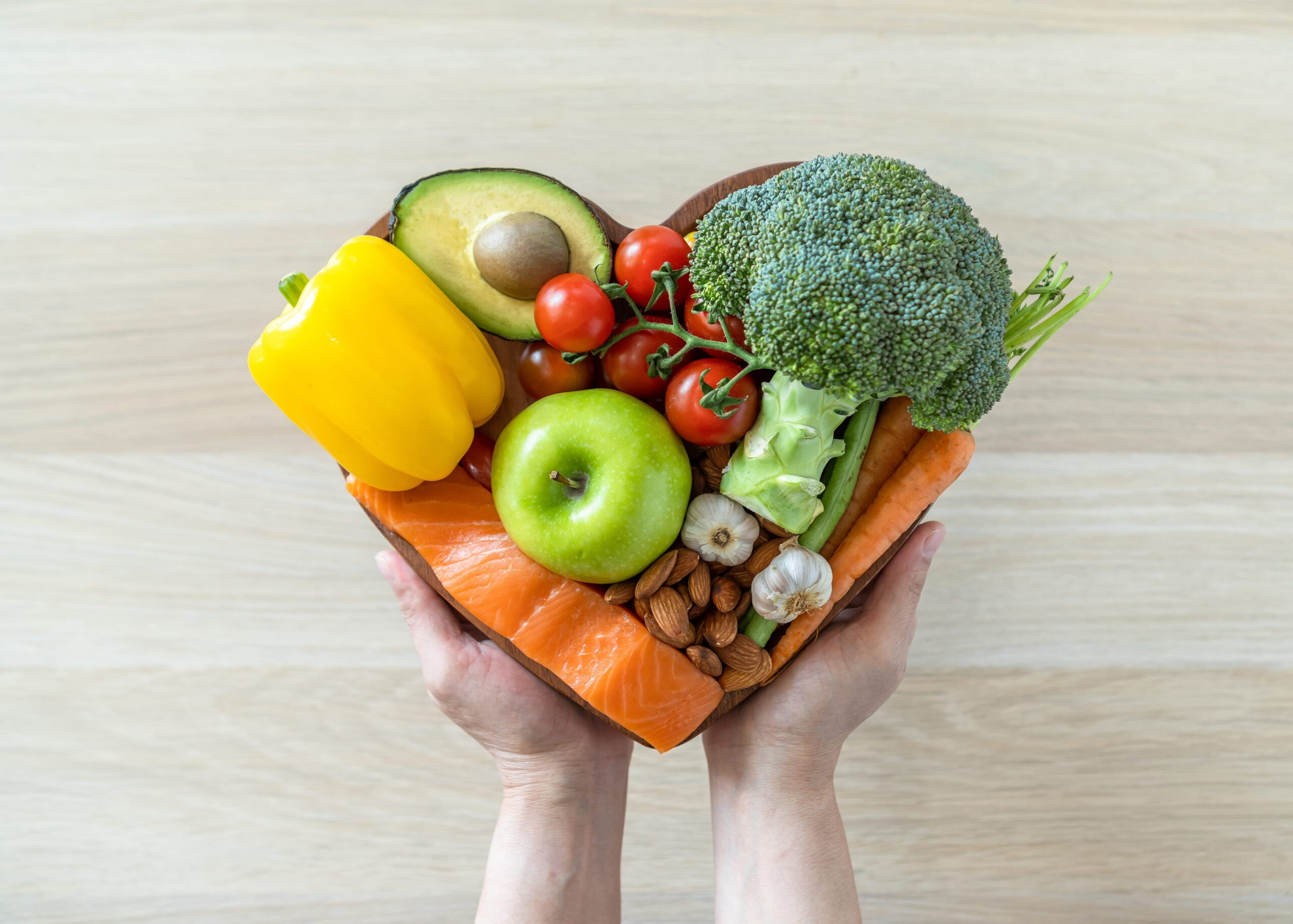
- Food high in soluble fiber, like oats, beans, lentils, chia, flax, apples, leafy greens, and citrus fruits
- Unsaturated fats from olive oil, avocado, nuts, seeds, and fatty fish
- Lean protein that helps you stay satiated, including poultry, fish, tofu, Greek yogurt, eggs, and beans
- Non-starchy vegetables at lunch and dinner, even if it is a small starting portion
Why Fiber Matters So Much for Heart Health
Soluble fiber supports heart health by binding bile acids in the digestive tract and helping the body remove or expel them. Since bile acids are made from cholesterol, this process can support lower LDL patterns over time.
If you are increasing fiber, start gradually and increase water intake to reduce digestive discomfort/abdominal cramping. A small, consistent increase is often more sustainable than a sudden, inconsistent jump.
A Simple Plate Structure for Heart-Supportive Meals
If you want an easy rule of thumb, build meals around three anchors: protein, fiber-rich veggies, and healthy fat. Carbohydrates can absolutely fit, and many people do best when they choose higher fiber carbohydrates and pair them with protein and fat.
A practical plate structure is:
- Half the plate non-starchy vegetables or fiber-rich veggies when possible
- A palm-sized portion of protein
- A source of healthy fat, such as olive oil, avocado, nuts, or seeds
- A portion of carbohydrates that matches your needs, ideally higher fiber most of the time
A Realistic Day of Heart-Supportive Meals
Here is one example of a day that supports LDL and triglycerides without being rigid. Use it as inspiration, not a strict prescription.
- Breakfast: oatmeal with chia seeds, berries, and Greek yogurt
- Lunch: mixed green salad with tuna or chicken, olive oil dressing, and a slice of whole-grain bread
- Snack: apple with nut butter or a handful of nuts or string cheese paired with a piece of fruit
- Dinner: salmon, roasted vegetables, and quinoa or brown rice
- Optional dessert: something you enjoy, paired with a balanced meal pattern earlier in the day
When a Personalized Plan Matters Most
Some people need a more tailored approach due to genetics, family history, very high LDL, elevated blood sugar, or other conditions like thyroid disorders. In those cases, the best plan is one that matches your labs, your preferences, and your real schedule.
That is where guided support makes a difference.
How We Help at One Nutrition Group
At One Nutrition Group, we help you interpret your labs in context and build a plan you can actually follow. We focus on realistic meals, sustainable habits, and the overlap between cholesterol, blood sugar, stress, and digestion. If medication is part of your plan, we can also support nutrition alongside it.
Our goal is not perfection. Our goal is progress you can maintain.