
What Is Orthorexia?
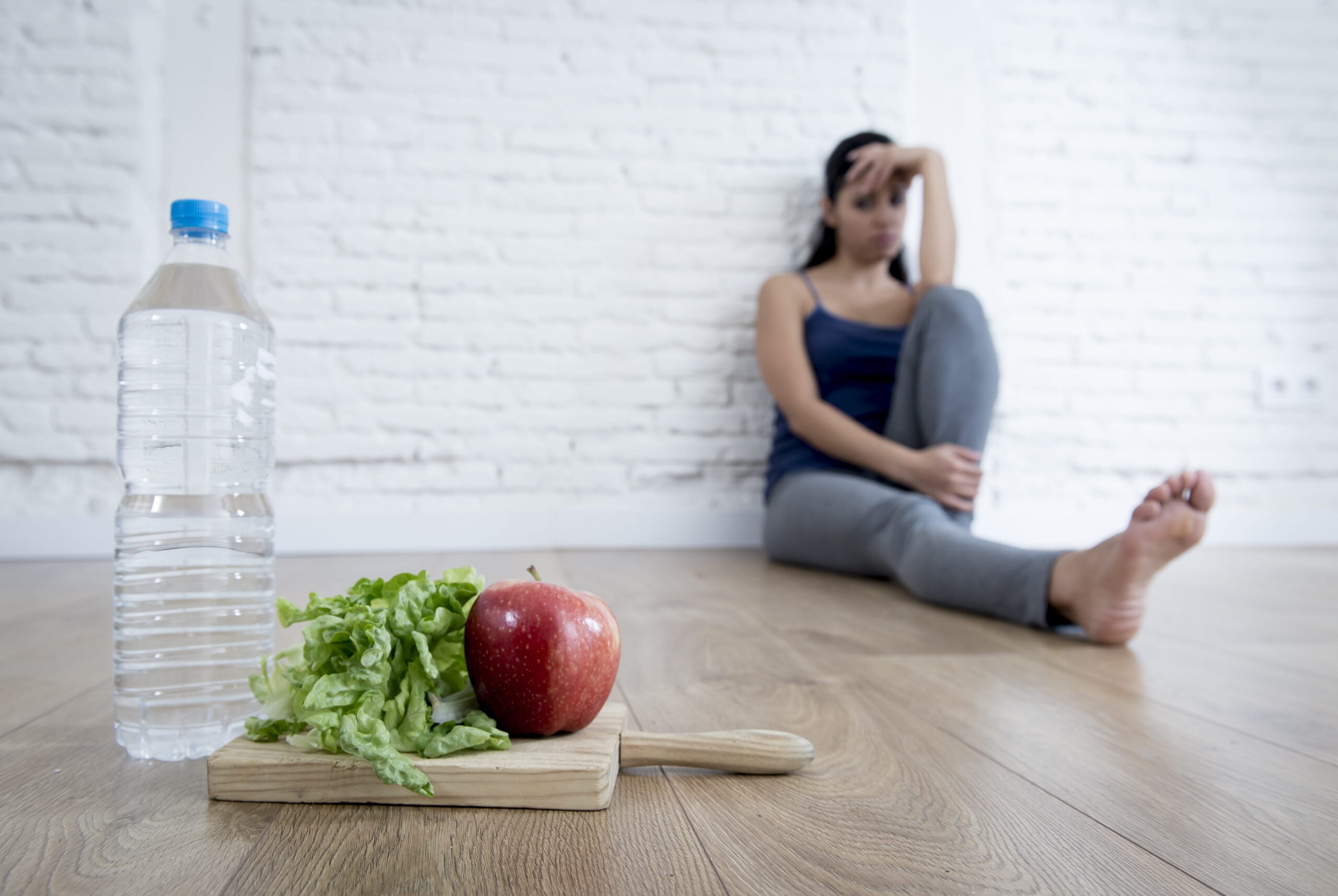
Orthorexia is an unhealthy obsession with eating in a way that is perceived as healthy or pure. It is not about weight loss as much as it is about control, fear, and needing to get food “perfect.”
People with orthorexia often appear healthy on the outside, which is why it can be overlooked or even often praised.
Healthy Habits Versus Disordered Patterns
Healthy habits generally make life feel easier. Disordered patterns make life feel smaller and more difficult on a daily basis.
Healthy habits tend to:
- Support energy and mood
- Feel flexible, not forced
- Allow room for both social life and rest
- Include true enjoyment
Disordered patterns tend to:
- Create anxiety around eating
- Require rigid rules
- Increase guilt or shame
- Lead to avoidance of social situations
Common Signs Wellness May Be Becoming Anxiety
Not every sign means orthorexia, but identifying patterns is essential.
Red flags can include:
- Increasing fear of eating foods prepared by others due to not knowing the preparation methods and all ingredients used in cooking
- Cutting out more and more foods over time
- Feeling intense guilt after eating something “imperfect”
- Spending significant mental energy planning food
- Avoiding events because of food uncertainty
- Feeling like you cannot truly relax unless eating is controlled
Why This Happens
Many people slide into rigidity after dieting, health scares, or years of confusing nutrition information online. When wellness content feels overwhelming, control can feel like safety.
For some people, perfectionism and anxiety also play a role. Food becomes the area where stress is managed, even though it creates more stress long-term.
What Helps Without Swinging to the Other Extreme
Healing from rigid food rules does not mean giving up on health. It means building flexibility.
Helpful steps often include:
- Reintroducing foods or food groups in a gradual way
- Practicing neutral language around eating
- Learning how to build balanced meals without strict rules
- Working on coping tools that are not food control
At One Nutrition Group, in our nutrition counseling sessions, we also offer meal support and guided meal exposure within our 1:1 sessions. This provides a structured and supportive environment to practice eating a variety of foods and helps reduce anxiety around meals over time.
When to Seek Support
If food rules are affecting your mental health, relationships, or daily life, that is enough reason to reach out. You do not have to wait until things feel severe.
Support can also be helpful if you notice your eating is becoming more restrictive or if anxiety spikes around social eating, travel, or holidays.
How We Help at One Nutrition Group
We help clients rebuild a healthier relationship with food in a way that still supports nutrition goals. We focus on balanced eating, flexibility, nervous system support, and reducing food anxiety. When needed, we also collaborate with therapists and psychiatrists to support the emotional side of recovery.