

Why Insulin Resistance Is So Common in PCOS
Many people with PCOS have higher insulin levels, even when blood sugar looks normal on a basic lab panel. When insulin is elevated, it can influence ovarian hormone production and contribute to symptoms like irregular cycles, acne, and unwanted hair growth.
It can also make hunger and cravings feel stronger, especially for refined carbohydrates and sweets.
Signs You Might Be Dealing with Insulin Resistance
Insulin resistance can look different from person to person. Some people have clear lab markers, while others primarily notice symptoms on a day-to-day basis, indicating insulin resistance.
- Strong cravings, especially late afternoon or nighttime
- Energy crashes shortly after meals and snacks
- Difficulty feeling full and satisfied after carbohydrate-heavy meals
- Stubborn weight gain around the midsection
- Skin changes, such as darkened patches in body folds
- HbA1c trending upward over time
The Nutrition Foundations That Help Most
PCOS nutrition often works best when you focus on consistency and blood sugar stability. That means regular meals, adequate protein, and fiber-rich carbohydrates paired with healthy fats.
You do not need to remove carbs entirely. Most people do better with strategic carbs rather than zero carbs.
Carbohydrates: Pairing Matters More Than Elimination
For PCOS and insulin resistance, the most important questions are what type of carbohydrate, how much, and what you pair it with. Pairing carbs with protein and fat slows digestion and supports a steadier rise in blood sugar.
Examples of supportive pairings include:
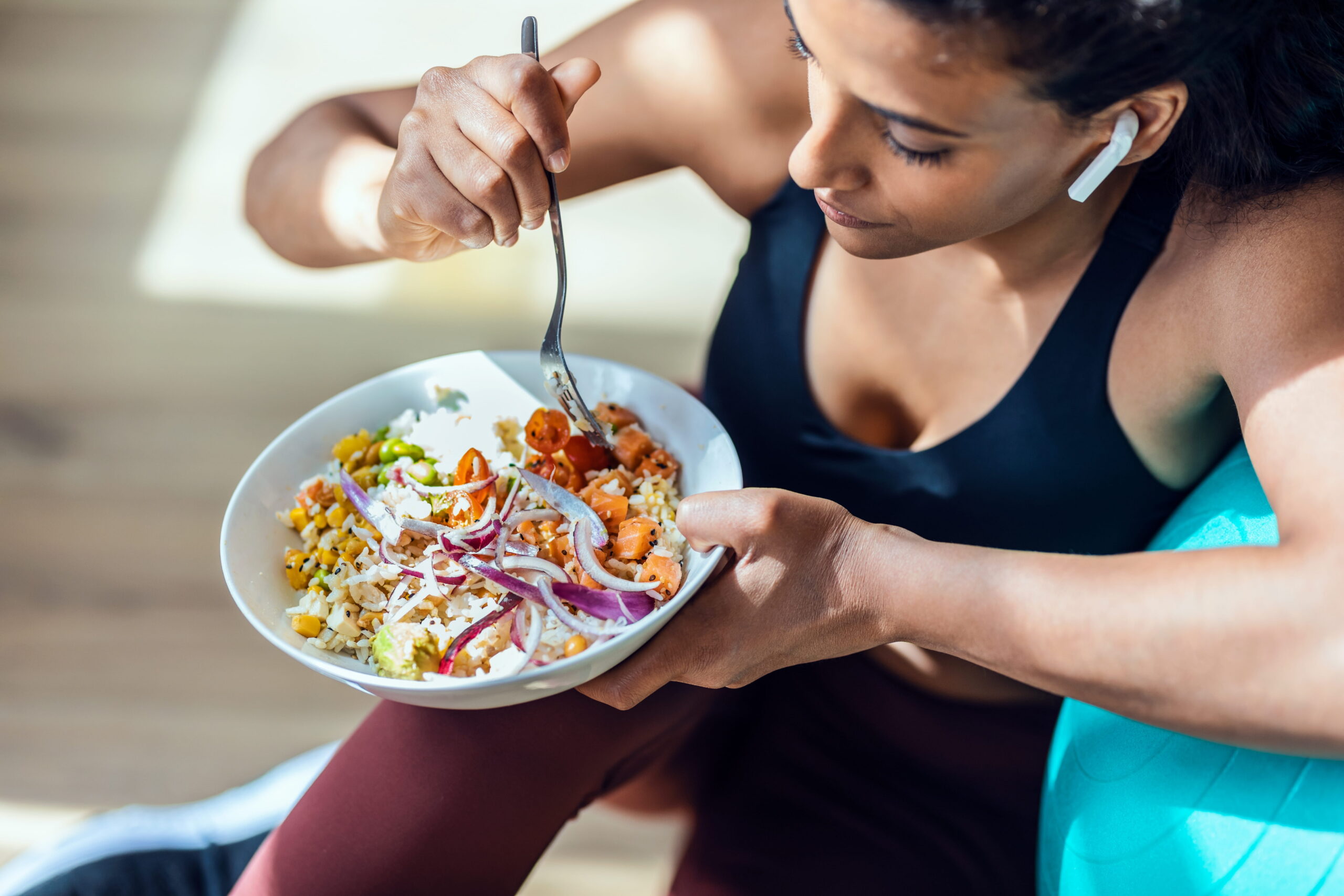
- Brown rice with salmon and non-starchy vegetables
- Rolled oats with 0-2% greek yogurt and chia seeds
- Fruit with nuts or cheese
- Whole-grain toast with eggs and avocado
Protein & Fiber: Two Levers That Reduce Cravings
If cravings are a big issue, increasing protein and fiber is often a high-impact move. Protein increases satiety, and fiber slows digestion, leaving you fuller for longer.
Start with simple upgrades like adding protein at breakfast and including non-starchy vegetables at lunch and dinner. Try to aim for half of your plate being filled with non-starchy vegetables.
Meal Timing & Snacks for Real Life
Long gaps between meals can increase cravings and make blood sugar swings worse. Many people with PCOS feel best with a structured pattern of meals and an afternoon snack when needed.
A balanced snack typically includes protein plus fiber or fat.
- Greek yogurt and berries
- Apple and nut butter
- Hummus and vegetables
- Cheese and fruit
Lifestyle Factors That Support Insulin Sensitivity
Food is important, but it is not the only lever. Sleep, stress, and movement also affect insulin sensitivity. Even short walks for 10-15 minutes after meals can help, and strength training supports muscle growth, which improves how the body handles glucose.
If stress is high, cortisol can raise cravings and make symptoms feel harder to manage. Supporting stress and sleep is part of the plan.
How We Help at One Nutrition Group
At One Nutrition Group, we personalize PCOS support based on your symptoms, labs, and lifestyle. We help you build meals you actually enjoy, create a plan that fits your schedule, and address cravings, fatigue, and blood sugar patterns without extremes.
You deserve a nutrition plan that feels supportive, not scolding.