

Starting a GLP-1 Changes More Than Your Appetite
Many people start a GLP-1 medication expecting one main change: less hunger or less “food noise”. That can happen, but appetite is not the only thing that shifts.
You may notice that larger meals feel uncomfortable, foods you used to enjoy suddenly seem less appealing, or you get full much sooner than expected. Some people also experience nausea, constipation, reflux, diarrhea and/or fatigue, especially when starting the medication or increasing the dose.
That does not mean the medication is failing or that you are doing something wrong. It means your nutrition strategy may need to change along with your appetite.
The goal is not simply to eat less. The goal is to make sure the food you are able to eat still supports your energy, strength, digestion and long-term health.
Why Protein Becomes So Important
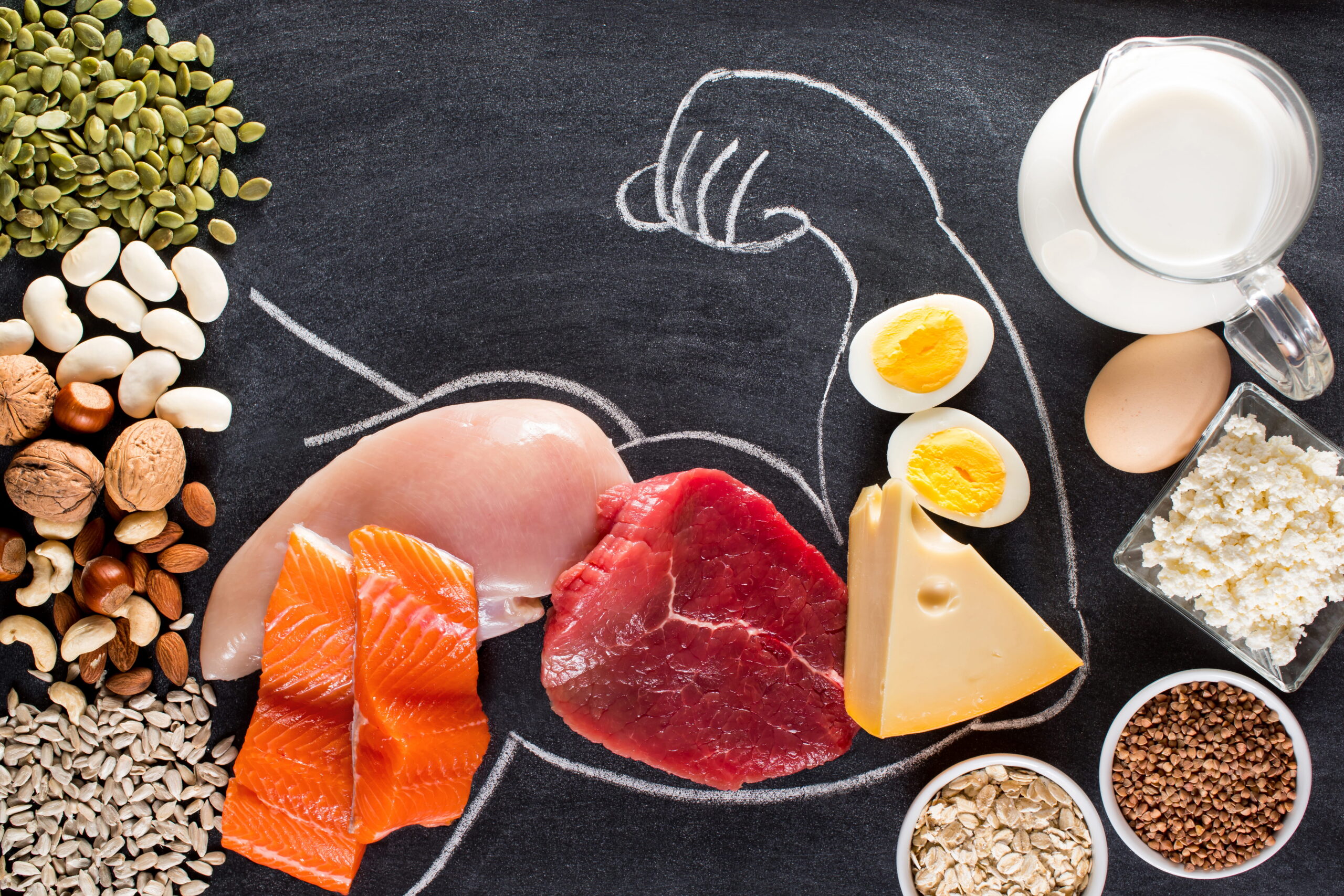
When appetite drops, many people naturally eat less overall. Without a plan, that can mean eating too little protein, which may make it harder to preserve muscle while losing weight.
Muscle matters for more than just appearance. It supports strength, mobility, metabolic health, blood sugar regulation and independence as you age. This is why weight loss should never be the only goal.
A helpful starting point is to make protein the anchor of each meal or snack. You do not need to eat a huge portion at once. Smaller amounts spread through the day can be easier when appetite is low.
Protein options that tend to work well include:
- Greek yogurt or cottage cheese
- Eggs or egg bites
- Chicken, turkey, fish, tofu, tempeh, seitan
- Protein smoothies when solid food feels difficult
- Lentils, edamame, fava beans, lupini beans
- Cheese paired with fruit or crackers
Smaller Meals May Feel Better Than Forcing Full Plates
GLP-1 medications can slow digestion, which means a large meal may leave you feeling overly full, nauseated, or uncomfortable. If that happens, it can help to think less about traditional meal size and more about nutrition opportunities throughout the day.
Instead of trying to finish one large meal, you might feel better with:
- A smaller protein-focused breakfast
- A light lunch with protein, vegetables and a carbohydrate
- A planned protein-rich afternoon snack
- A simple dinner, including protein and fiber, that is filling but not overly heavy
What to Eat When Nausea Is Getting in the Way
Nausea is one of the most common reasons people struggle to eat enough on a GLP-1. While severe or persistent symptoms should always be discussed with your prescriber, smaller food adjustments can often make day-to-day eating easier.
Many people tolerate food better when they:
- Eat slowly and stop before feeling overly full
- Choose smaller meals more often
- Hydrate adequately with small sips throughout the day, and always keep electrolytes on hand
- Avoid very greasy, fried or heavy foods when symptoms are active
- Keep bland, simple foods available for difficult days
Constipation Is Common, but More Fiber Is Not Always the Immediate Fix
Constipation can happen when food intake drops, hydration is low, movement changes or fiber increases too quickly. Many people respond by adding a large amount of fiber all at once, which can worsen bloating and discomfort.
A gentler approach is usually more effective. Start by looking at the basics by asking yourself the following questions:
- Are you drinking enough fluid throughout the day
- Are you eating consistently enough for your gut to have a rhythm
- Are you moving your body regularly, even with short walks
- Are you adding fiber gradually instead of all at once
Hydration Is Not Optional
When appetite is lower, thirst can become easier to ignore, too. Some people also drink less because they feel full quickly or because nausea makes fluids less appealing.
Dehydration can make fatigue, headaches, constipation, dizziness and cravings worse. It can also make side effects feel more intense.
A simple hydration routine can help:
- Drink water soon after waking
- Keep a water bottle nearby throughout the day
- Sip between meals instead of trying to catch up at night
- Use electrolytes when appropriate, especially in heat, after sweating or when intake has been low
- Include water-rich foods like fruit, soups, yogurt, cucumbers and smoothies
Do Not Let Appetite Suppression Turn Into Undernourishment
It can feel rewarding to have very little appetite, especially if you have spent years feeling frustrated by hunger or cravings. But consistently under-eating can leave you exhausted, weak, constipated or more likely to lose muscle.
Signs you may need more nutrition support include:
- You are regularly skipping meals because food feels unappealing
- You feel weak, dizzy or unusually tired
- You are struggling to meet protein needs
- You are losing weight quickly but feel physically worse
- You have ongoing nausea, vomiting, constipation or reflux
- You are becoming more anxious or rigid around food
Strength Training and Food Work Better Together
If your body is able, strength based movement can be an important part of a GLP-1 plan. Resistance training supports muscle retention while weight is changing and can also support blood sugar regulation.
This does not need to mean intense workouts. It might mean bodyweight exercises, light weights, resistance bands or a structured program that matches your current fitness level.
Nutrition and movement work best as partners. Protein gives your body the building blocks. Strength work gives your body a reason to hold onto muscle.
A Simple Day of Eating on a GLP-1
There is no one perfect GLP-1 meal plan, but this example shows how smaller, balanced meals can come together.
Breakfast: Greek yogurt with berries and chia/basil seeds or eggs with toast and fruit.
Lunch: A small grain bowl with grilled chicken or tofu, vegetables and olive oil-based dressing.
Snack: Cottage cheese and fruit, a protein smoothie or apple with nut butter.
Dinner: Salmon, chicken, tofu, or beans with vegetables and a carbohydrate you enjoy, such as rice, potatoes, or quinoa.
The goal is not to force every meal. It is to create enough opportunities for protein, fluids, fiber and energy across the day.
How One Nutrition Group Can Help
At One Nutrition Group, we help clients create nutrition plans that work with GLP-1 medications, not against them. We can help you prioritize protein, manage side effects, protect muscle, support digestion and make sure your lower appetite does not lead to nutrient gaps.
We do not prescribe medication, but we can work alongside your prescriber to help you feel more confident about what to eat and how to care for your body throughout treatment.
A GLP-1 can be one part of your health plan. Nutrition support helps make sure that the plan is sustainable, nourishing, and built for the long term.