
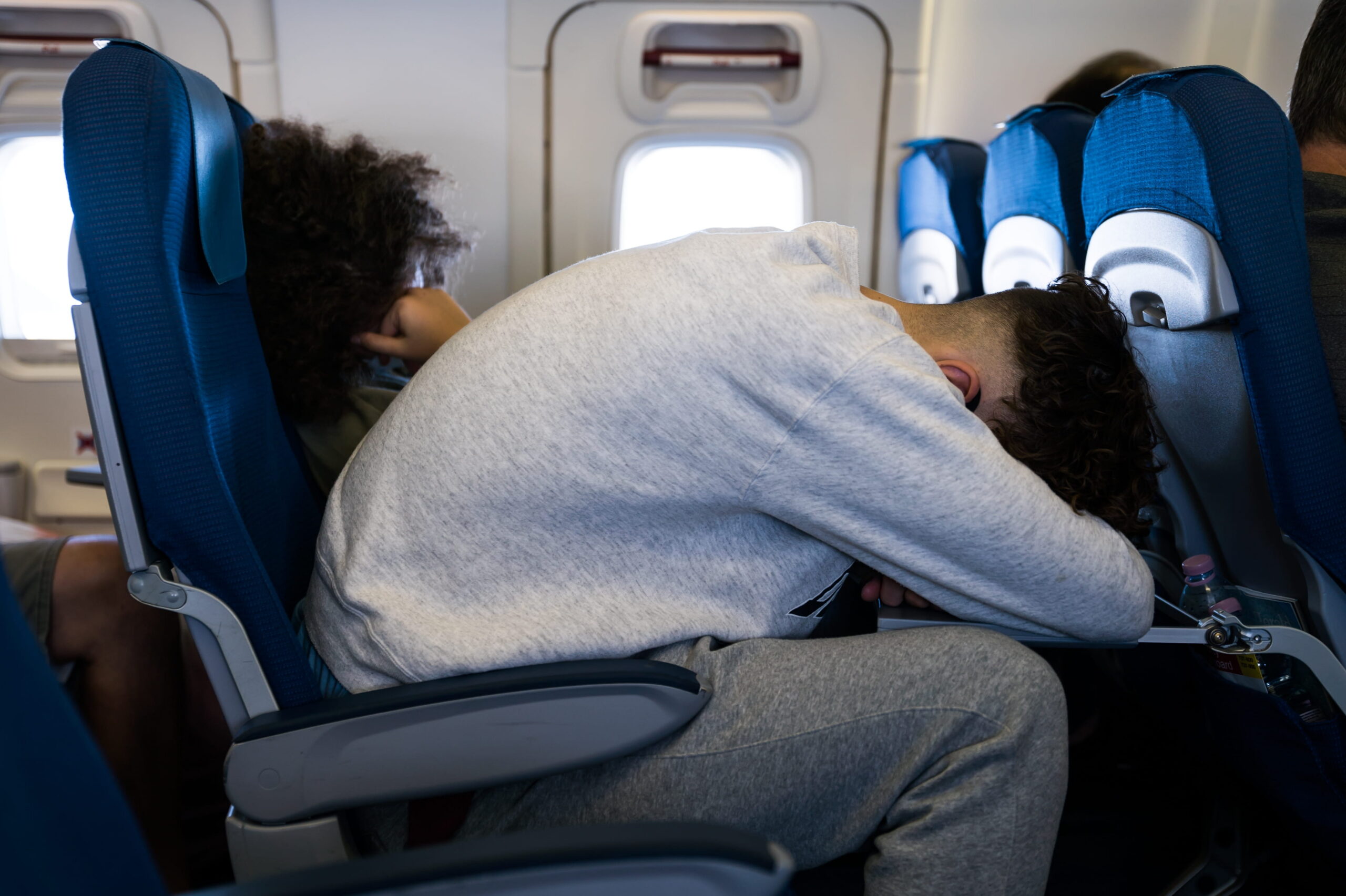

Why Travel Constipation Happens So Often
Your gut loves routine. Travel disrupts it.
Even a short trip can change your sleep schedule, meal timing, hydration, movement, and stress level. Add in flights, long drives, unfamiliar bathrooms, eating out more often…and it is very normal for digestion to slow down.
Many people assume a traveler’s constipation means they need an aggressive fix. In reality, a gentle, steady approach tends to work better and causes less bloating and discomfort.
The Most Common Travel Constipation Triggers
A few patterns show up again and again:
- Dehydration from flying, heat, or simply drinking less on purpose
- Not packing a reusable water bottle with you, relying on external sources for hydration
- Less movement, especially sitting for long stretches
- Skipping meals, then eating one large meal later
- Lower fiber intake because travel food is often refined and loaded with simple carbohydrates, low in fiber
- Higher sodium intake from restaurant meals and packaged snacks
- Stress and nervous system tension
- Holding in stool because bathrooms feel inconvenient or uncomfortable
The good news is that most of these are fixable with a few small adjustments.
Before You Travel: Set Up Your Gut for Success
If you tend to get constipated while traveling, the most helpful time to support digestion is before you leave.
Prioritize hydration the day before
Going into a trip already dehydrated makes constipation more likely. Aim for steady water intake throughout the day.
Include fiber, but do not overload it
A sudden fiber jump right before a flight can increase bloating. A better approach is consistent fiber in normal portions from foods like oats, berries, beans, vegetables, and chia.
Eat regular meals
Skipping meals to save up for travel food often backfires. Regular meals keep digestion moving and prevent blood sugar crashes that can trigger overeating later.
If you want a simple pre-travel dinner idea, think protein, vegetables, a fiber-rich carbohydrate, and a little healthy fat.
During Travel: Keep Two Anchors
When routines change, you do not need perfection. You need anchors. The two anchors that help most are hydration and movement.
Hydration strategies that actually work
Many people drink less during travel because they do not want bathroom stops. Unfortunately, that increases constipation risk and often increases bloating and discomfort, too.
A simple approach is to sip water consistently rather than chugging all at once. Add electrolytes if you are flying, sweating, or drinking alcohol. Include foods with a higher water content, like fruit, when possible.
Movement matters more than people expect
Even small, gentle movements help stimulate gut motility. If you are flying, stand up and walk the aisle occasionally. If you are driving, take short walk breaks when you stop. If you are in a hotel, a morning walk can make a noticeable difference.
What to Eat While Traveling to Reduce Bloating
Travel meals are often higher in salt and lower in fiber. That can cause both constipation and bloating.
Instead of trying to eat perfectly, focus on building meals with structure. A digestion-friendly travel meal usually includes protein, a fiber source, and hydration.
Here are some travel-friendly food choices that tend to be helpful:
- Greek yogurt, kefir, or cottage cheese
- Fruit like berries, oranges, or kiwi
- Oats or overnight oats
- Nuts and seeds in moderate portions
- Beans or lentils when available (I personally love bean-based snacks!)
- Non-starchy vegetables when you can find them
If you are eating at restaurants, choosing one meal per day that includes vegetables and a protein anchor often helps keep digestion steadier.
Travel Snacks That Support Regularity
If you want to pack snacks, choose options that support fiber and satiety without being overly heavy.
A few helpful options:
- Trail mix with nuts and a small portion of dried fruit
- Chia pouch or chia pudding, if you are able to tolerate it
- Whole-grain crackers and/or vegetables with hummus
- Fruit plus nut butter
- Roasted edamame, chickpeas, lupini beans or fava beans
If you are prone to bloating, keep portions moderate. Too much fiber at once can make gas worse.
If You Are Already Constipated on the Trip
If constipation has already started, do not panic. The goal is gentle support.
A practical reset includes:
- Increase water and consider electrolytes
- Walk after meals when possible
- Eat a fiber-rich breakfast, such as oats with fruit
- Add a warm beverage in the morning, like tea or coffee if you tolerate it
- Include magnesium-rich foods such as pumpkin seeds, leafy greens, and nuts
Many people also find that a consistent morning routine helps, even on vacation. A short walk, breakfast, and hydration can be enough to restart motility.
After You Get Home: Reset Without Overcorrecting
Post-travel digestion usually normalizes quickly when routine returns. Try not to overcorrect with extreme restrictions or excessive supplements.
A gentle post-travel reset looks like regular meals, hydration, fiber from whole foods, walking daily, and sleep catch-up.
If constipation persists for more than a week, or if you experience severe pain, blood in stool, or significant changes in bowel habits, it is worth speaking with a medical provider to guide you with the next steps.
How We Help at One Nutrition Group
At One Nutrition Group, we help clients identify why travel disrupts their digestion and create a plan that fits real life. We look at fiber tolerance, hydration patterns, blood sugar swings, stress, and daily routines so travel feels less like a digestive setback.
If travel constipation is a recurring issue, you do not have to accept it as normal. With a personalized plan, you can feel more comfortable and regular wherever you go.